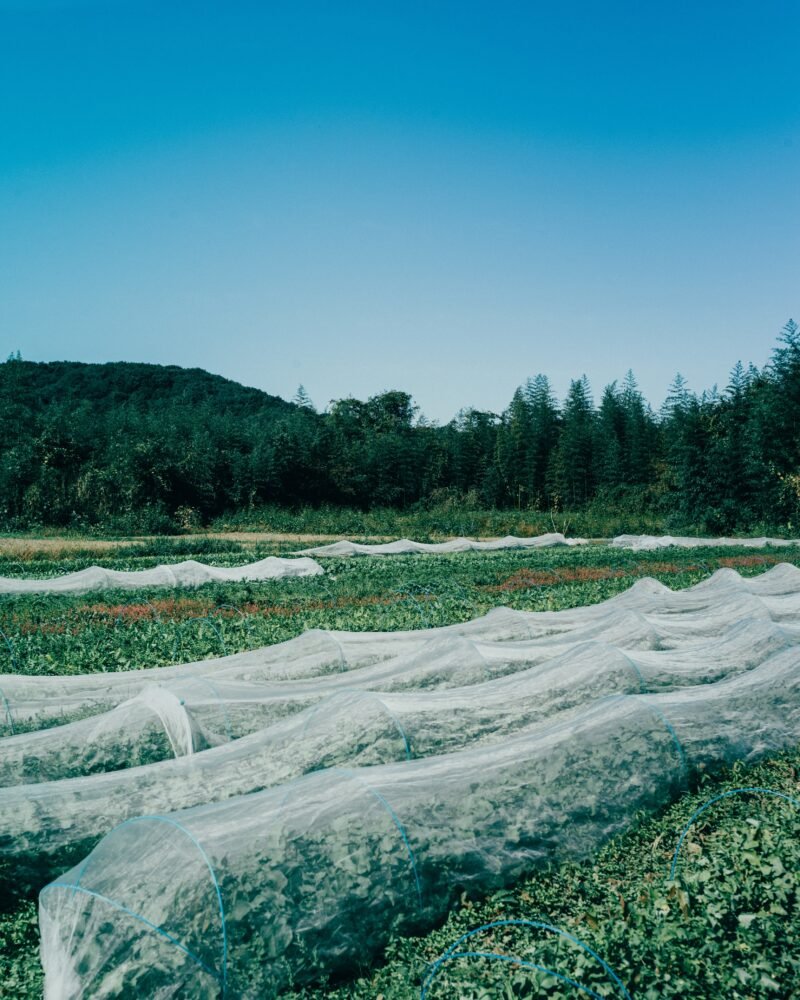
Trend 8: Urban Farming Becomes Serious Business
Of course, urban agriculture is a trend that we should have mentioned in some trend list years ago, but definitely not here. Although we see urban farms popping up on every corner of the street, we have always doubted the genuinity of all those small farming initiatives that are left behind after one season of fun. Nevertheless, some developments in this ongoing hype are interesting to mention here. Why? Because the urban agriculture scene seems to become mature.
As urban farming is becoming a serious business in many cities around the world, it’s interesting to see how the city farming scene extends its influence from a ‘vacant-lots-only’ phenomenon to a ‘rest-of-the-city’ phenomenon. Urban farming shops in the centers of big cities pop-up all over the States. These shops sell stuff to the needs of the urban farmer, varying from seeds and soils to rainwater harvesting barrels, drip irrigation systems and even little roosters. In 2011, New York got it’s urban farming style shop, but also Portland has its Urban Farmers Store, and in Brooklyn some urban farming entrepreneurs run the Haysees’s Big City Farm Supply Store. Egg|Plant Urban Farm Supply is Minnesota’s source of supplies and inspiration for your own backyard homestead. And the Seattle Farm Supply is an urban farming supply company based in the Seattle urban area. Apparently the urban farming niche is big enough in some cities to enable people to make a living from selling equipment, and that’s when it’s becoming interesting. In London, an urban farming meeting hub called Farm:shop can be found in the streets of Hackney. Farm:shop is a workspace, cafe and events venue combined with a farm that produces living and breathing food — literally a farm-in-a-shop.


The urban farming supply stores point to an increasing professional attitude among the newest generation of urban farmers. In Rotterdam, the Uit je eigen stad project combines a large-scale urban farm on a derelict lot with a restaurant and shop. This way the food produced on the former industrial area is sold and an income for the farmer’s family is ensured. The farm has a serious business model and also a marketing manager in the staff. The main elements in their business model are a shop and a restaurant on the spot that serve the city with local food. Also in cities like Detroit (where it all started) urban farms get bigger and more professional. The Earthworks Urban Farm is said to be world’s biggest urban farm.


Not only vacant lots are used to urban farm, but the farming trend also extends to (empty) office buildings and urban rooftops. In Tokyo, PASONA 02 is a high-tech urban farm in the basement of an office building in Tokyo’s Otemachi business district. We also stumbled upon a couple of urban rooftop farms that are run very professionally. In Brooklyn, the Brooklyn Grange urban rooftop farm claims to be the largest urban rooftop farm in the world, providing the local community with real organically produced vegetables and fruits. With over two acres of rooftop under cultivation in Brooklyn and Queens, Brooklyn Grange has sold over 40,000 lbs of veggies to restaurants, CSA members and the public via weekly farm stands. But the farm has expanded beyond its mission to grow vegetables — it currently keeps egg-laying chickens and it has launched a commercial apiary, cultivating bees for their honey. Brooklyn, by the way, could be considered the international capital of urban farming. Besides Brooklyn Grange it also accommodates the Eagle Street Rooftop Farm in Greenpoint and Gotham Greens, a rooftop farm which consists of sterile greenhouses that produce over 80 tons of premium quality produce, year-round.


Talking large-scale city farming from an entrepreneurial point of view, Lufa Farms in Montreal is interesting. The farm has built a 31,000-square-foot greenhouse on top of a two-story building. Over 40 different crops are being produced year round in the rather innovative greenhouses that can even stand the snow in the Canadian winters. Lufa Farms is currently looking to expand its activities to the United States and find a way to upscale its urban farming business.


Also the rise of new and more complicated forms of produce point to the the professionalization of urban farming. 2012 was the year of the Aquaponics, a self-organizing system of growing vegetables and fish at the same time. Besides small-scale installations, this has also led to bigger initiatives, like this aquaponics rooftop farm in Berlin. Also in Tokyo an urban rooftop farm produces rice in traditional wet circumstances. In addition, urban farming has moved to the production of crops like mushrooms and even medicine. Urban farming is becoming serious business.
This article is part of Pop-Up City’s Trends for 2013. Reflecting on what we’ve written in 2012 and looking into the new year, we’ve composed a new list of remarkable trends that we consider to be important for our cities in the coming time. Feel free to contact us in case you want to learn more about our reports.